More than winning: TSA Riley supports the 2026 Indigenous Nationals
15 July 2026
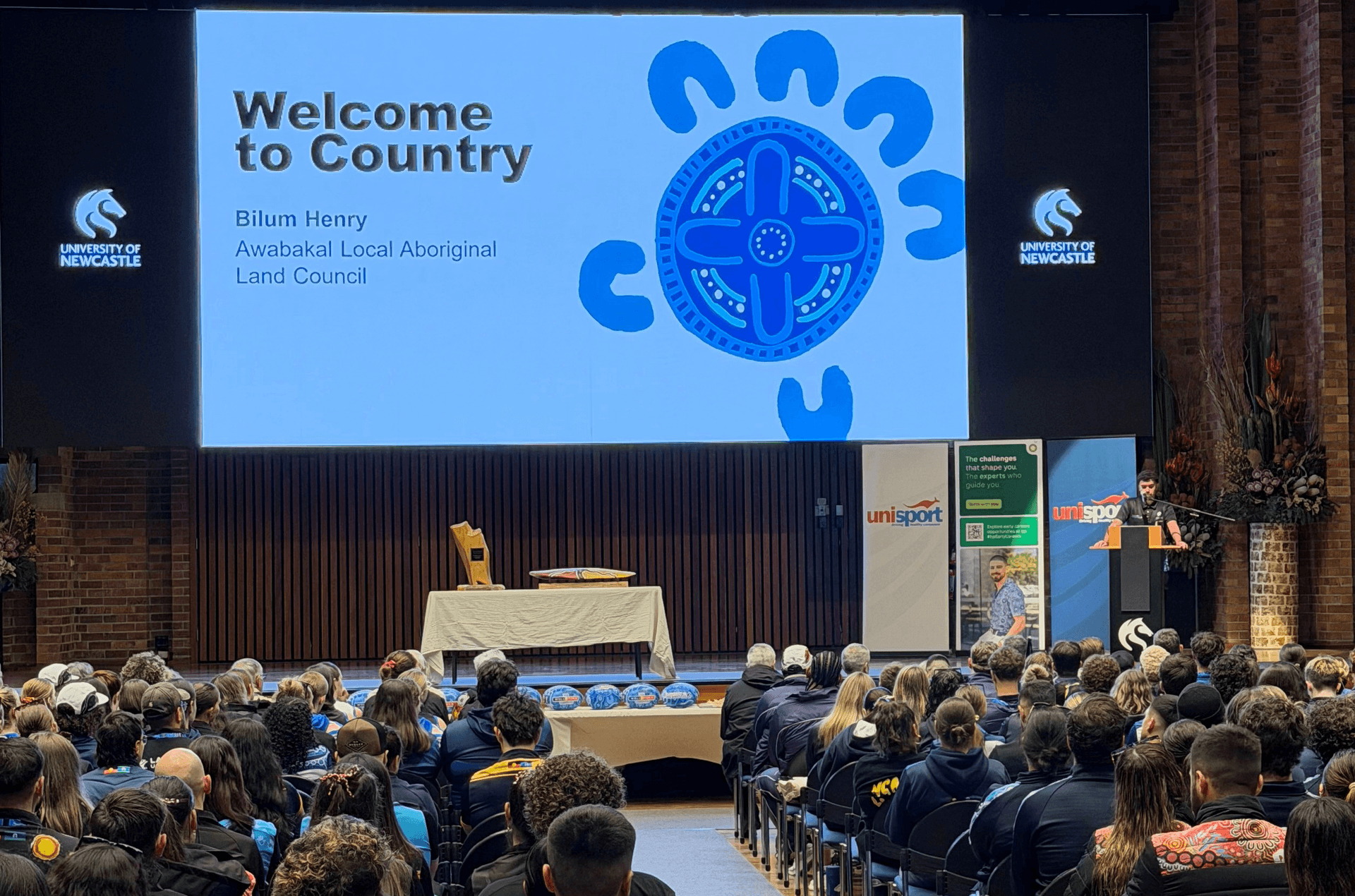
Most Australians are familiar with NAIDOC Week. Fewer have heard of the Indigenous Nationals, Australia's annual sporting competition for Aboriginal and Torres Strait Islander university students.
In 2026, both reached significant milestones. NAIDOC Week marked 50 years of celebrating and amplifying Aboriginal and Torres Strait Islander peoples and cultures, while the Indigenous Nationals celebrated 30 years of bringing students together through sport, connection and culture.
To recognise both milestones and as part of our commitment to reconciliation, TSA Riley was proud to sponsor the 2026 Indigenous Nationals, hosted by the University of Newcastle.
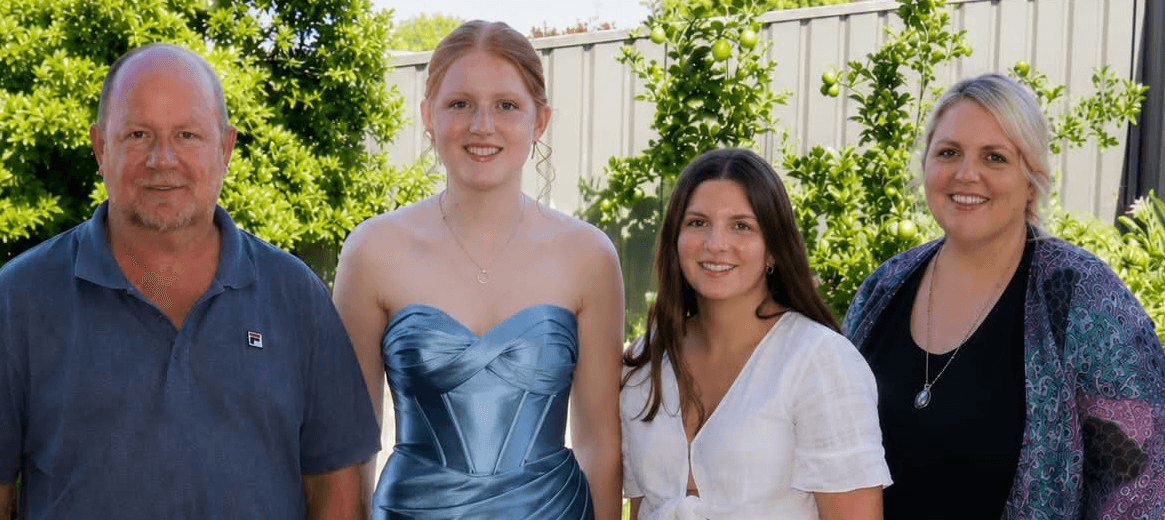
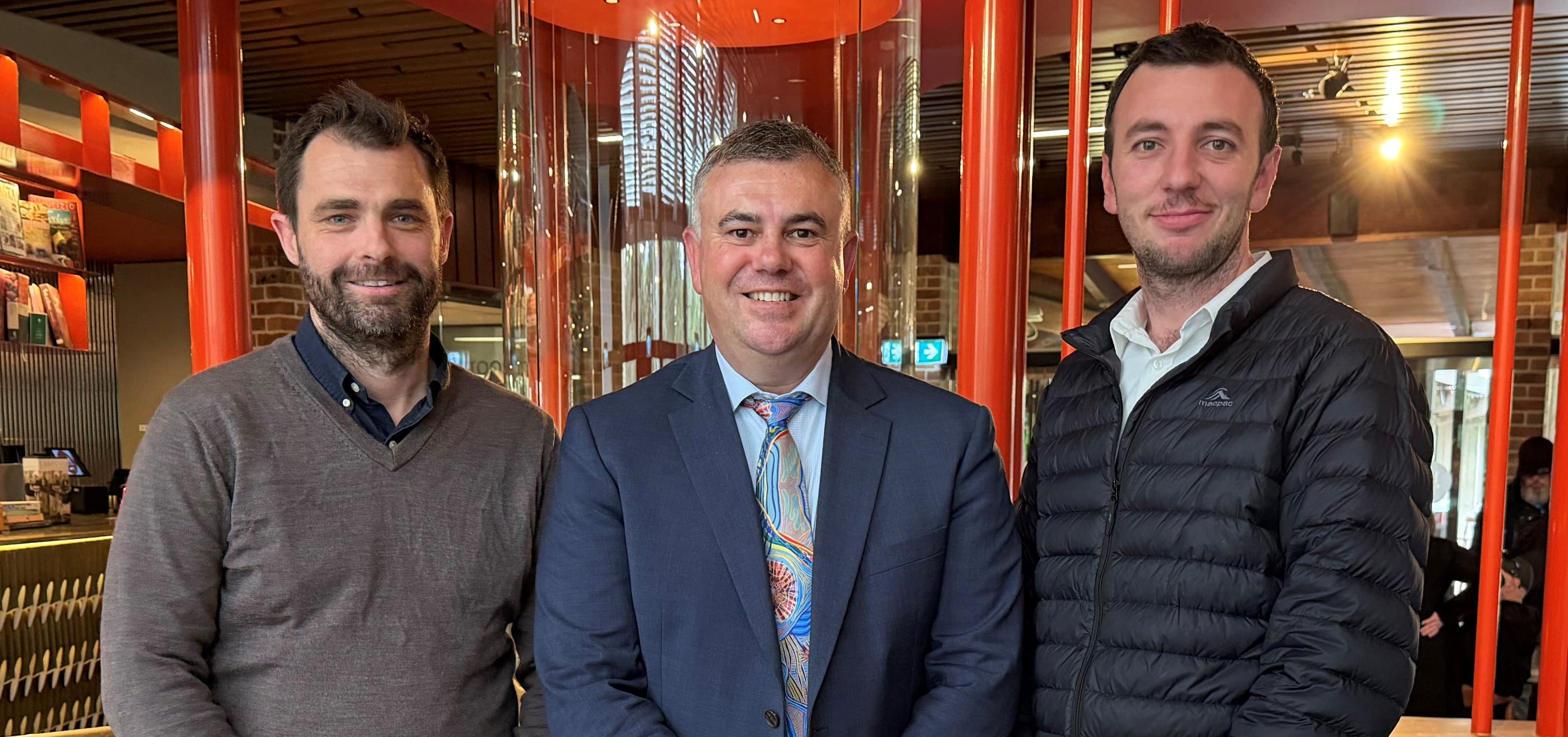
We sat down with Steph Crump, TSA Riley’s Reconciliation Action Plan Working Group Lead, and David Browning, our National Tertiary Sector Lead, to talk about why TSA Riley supported the Indigenous Nationals, what the event represents, and what David took from attending on our behalf.
Q: Steph, you’ve been involved with TSA Riley’s RAP Working Group almost as long as you’ve been with the business. What drives your involvement?
Steph: My husband is an Indigenous Australian. Early in our relationship, there was a lot I didn’t understand – or rather, a lot I thought I understood. Being part of his family helped me recognise my own assumptions, and how easily I’d dismissed or judged things I hadn’t experienced myself. And as my kids’ connection to culture and Country has grown, I’ve seen firsthand how much harm assumptions can cause.
These experiences changed the way I see reconciliation. For me, it’s not box ticking – it’s about listening, learning and being willing to keep challenging my own perspectives. And the more I’ve learned, the more compelled I am to share that knowledge with others.
Being part of TSA Riley’s RAP Working Group gives me the opportunity to help create meaningful change and contribute to a workplace where reconciliation is lived through our actions. When more people take the time to learn, listen and understand, we create a stronger and more respectful path forward for everyone.
Q: Why did the Indigenous Nationals feel like the right focus for NAIDOC Week this year?
Steph: Our RAP commitments show up in a lot of ways, from supporting Aboriginal and Torres Strait Islander organisations and initiatives to running webinars and workshops that help our people build cultural understanding and connect reconciliation to their project work.
Sponsoring the Indigenous Nationals was another part of that. It gave us a practical way to support Aboriginal and Torres Strait Islander university students, celebrate culture and achievement, and recognise 2 important milestones: 50 years of NAIDOC Week and 30 years of the Indigenous Nationals.
Q: Why do events like the Indigenous Nationals matter?
Steph: Representation is growing, but First Nations students are still underrepresented in higher education. In 2024, they made up 2.2% of Australia’s university student population.
That often means being the only Aboriginal or Torres Strait Islander student in the room, while carrying family, community, financial, cultural or geographic pressures that other students may not see.
The Indigenous Nationals recognise talent and achievement, while creating a space where students are surrounded by culture, community and pride.
Q: David, why did you attend the Indigenous Nationals on behalf of TSA Riley?
David: I’ll be honest, I didn’t know much about the Indigenous Nationals before Steph approached me. I’m TSA Riley’s Australian Tertiary Sector Lead, so once I understood the purpose of the event, it made sense for me to go.
I attended the opening ceremony, where the competing teams were welcomed and the history of the Indigenous Nationals was shared. The following day, Michael Trajkov and I attended the VIP luncheon with representatives from the university, The Wollotuka Institute, government and the broader community.
Q: Did being there in person change your understanding of the event?
David: It did. Walking into the opening ceremony, I wasn’t quite sure where I fitted in, and felt a little uncomfortable at first. That shifted pretty quickly. I ended up sitting near Aunty Trish Neal, who I later found out was one of the event’s founders. She turned and spoke to me, and we had a great chat and a bit of banter.
It helped me relax and, in a way, understand what the event creates on a much bigger scale for Aboriginal and Torres Strait Islander students: a place where people feel comfortable and belong.
“There were hundreds of students from across Australia, but it didn’t feel like 500 strangers in a room. There was a sense that people were there for each other.”—David Browning
Q: You mentioned Aunty Trish. What did you learn about her story?
David: She was one of 13 students at the University of Newcastle’s Wollotuka Institute who helped create the first Indigenous Nationals in 1996. It actually began as a class assessment, with the students asked to develop a set of national Indigenous tertiary student games.
Most group assignments are submitted and forgotten – this one kept going. And 30 years later, I sat near Aunty Trish while hundreds of Aboriginal and Torres Strait Islander students came together for an event she helped create. That was pretty special.
Q: Was there something from the event that stood out to you?
David: The connection. It was still a competition, and there was definitely rivalry between the universities, but it was clearly about more than winning.
There were hundreds of students from across Australia, many of whom had never met before, but it didn’t feel like 500 strangers in a room. There was a sense that people were there for each other and for the bigger purpose of coming together, sharing stories and celebrating culture.
I hadn’t been in a room of that size with a shared culture like that before.
Q: What do you think TSA Riley is supporting when we sponsor an event like this?
David: What stood out to me is that the Indigenous Nationals didn’t have a profile for me before I went. I knew nothing about it. In a way, that made the sponsorship feel more meaningful. It wasn’t about chasing visibility or putting our name in lights. It was about supporting something worthwhile, something with real impact for students and community.
Now that we know more about it, we can help more people know about it too. That feels like a good next step.
Q: What will you take back to TSA Riley and your teams from attending?
David: It really brought home the importance of the work Steph and the RAP Working Group do in showing our teams why reconciliation matters and how we can bring that thinking into our projects.
We deliver universities, hospitals, schools and all kinds of community infrastructure – we have so many opportunities to support better engagement, participation and outcomes for outcomes for Aboriginal and Torres Strait Islander peoples.
It’s easy to think about those things as project requirements. The Indigenous Nationals reminded me that they’re really about people – that’s something I’ll take back into my work and my teams.
TSA Riley is proud to have supported the 2026 Indigenous Nationals and to help more people understand what the event creates for Aboriginal and Torres Strait Islander university students. We will continue working through our Reconciliation Action Plan to build cultural understanding across our teams and support stronger engagement, participation and outcomes through the projects we deliver.