The 3 Issues That Quietly Stall School Growth Plans
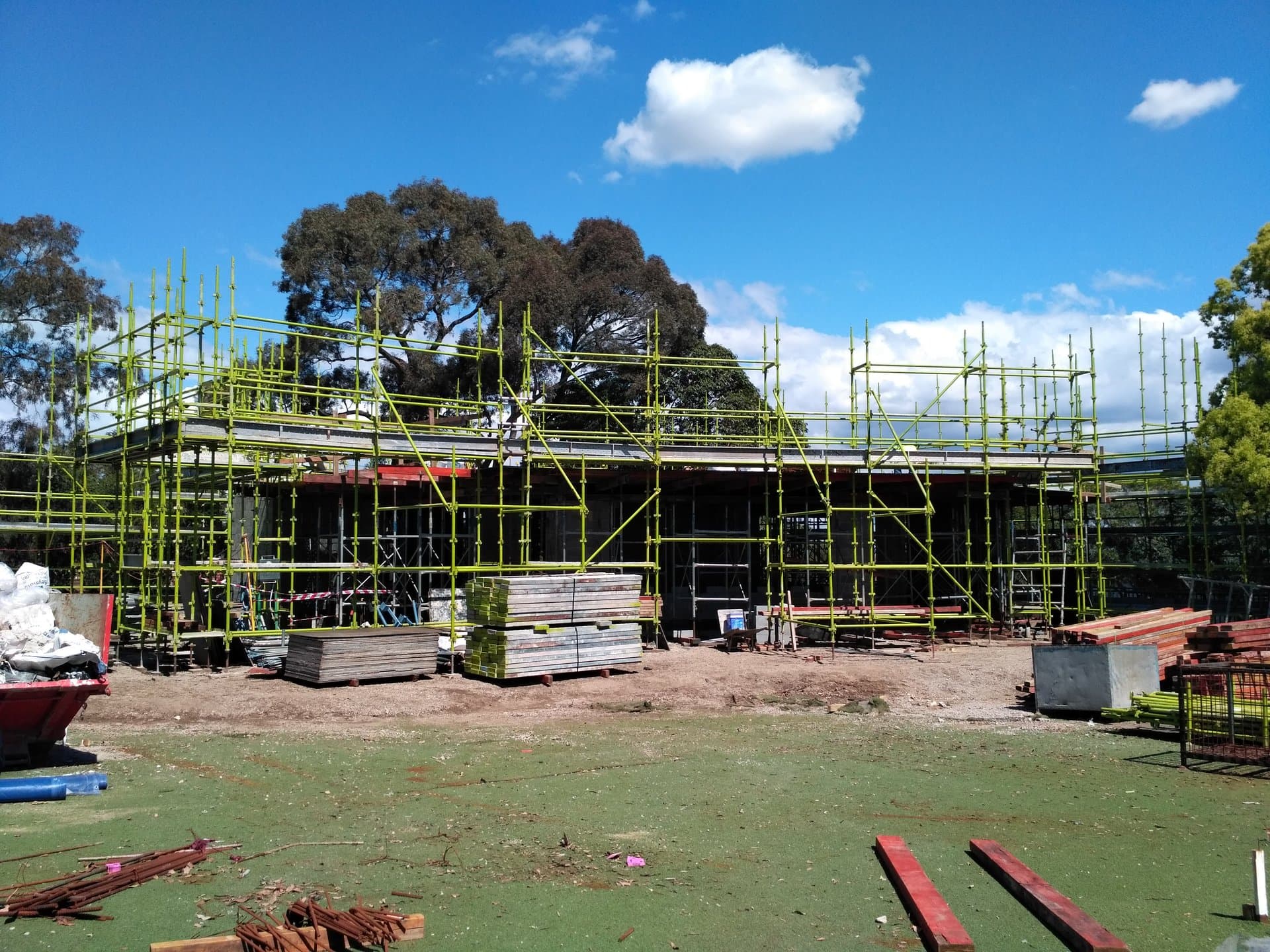
When school leaders start thinking about redevelopment, many naturally focus on design, pedagogy and timelines. These matter, but they are rarely the factors that slow a project down.
In most school redevelopments, the biggest risks to progress sit much earlier in the process – well before masterplanning or capital works funding begin. These can influence feasibility, cost, staging and community support, yet they are often overlooked until they create barriers.
Here are 3 factors that commonly slow down a school redevelopment or growth plan before concept design even starts.
1. Absence of a Clear, Defensible Case for Change
One of the most common causes of redevelopment delays is not the design itself, but a lack of alignment across the school community.
School projects begin with good intentions: improving learning environments, expanding enrolment capacity or upgrading ageing facilities. But stakeholders can see the priorities and the path forward in very different ways. Leadership, staff, parents, neighbours and boards may each have their own view of what matters most and how best to get there.
If the school does not have a clear and unified “case for change”, redevelopment planning slows. Without early alignment on the problem and the goal, even simple decisions become difficult. Funding applications become harder to prepare, and consultation becomes reactive rather than strategic. Stakeholders need confidence that options have been explored, and that a new project is the best response.
Creating a concise, evidence-based narrative early in the process helps:
- Align leaders, boards and staff
- Set expectations for parents and the community
- Reduce the risk of pushback during masterplanning
- Build confidence for future capital works funding rounds
A simple, early narrative outlining why redevelopment is needed and what the school hopes to achieve helps everyone move in the same direction. It is often the difference between momentum and frustration.
2. Space and Amenity Gaps That Affect Your Feasibility
The biggest feasibility constraints are usually hidden in plain sight, but they’re not the things people think of first: toilet provision, accessibility, circulation, and compliance thresholds.
Schools frequently discover that:
- The site is overlaid with environmental constraints such as flood, bushfire or ecology
- Existing amenities are already at capacity
- Building projects may trigger compliance upgrades
- Toilets and circulation pathways restrict feasible building zones
- The site layout cannot support the projected student population
These issues become significant once you begin masterplanning or preparing for capital works funding. If they are discovered too late, you may face rework, increased costs or delays in council and board approvals.
Identifying constraints and amenity requirements early gives you a realistic picture of what is possible and helps you set a foundation for a compliant and future-ready redevelopment.
3. Traffic and Access Pressures That Limit School Growth
Traffic significantly influences a school redevelopment – local traffic conditions determine what you can or cannot build and affect both feasibility and funding likelihood.
Typical pressures include:
- Limited access points and congestion during drop-off and pick-up
- Council restrictions on traffic movements and parking
- Local road network capacity not supporting current or future enrolments
- Requirements for additional traffic studies or upgrades
- Community or neighbour concerns that slow down approvals
Understanding the constraints early helps schools plan more realistic budgets, staging, design layouts and communications with parents, neighbours and council.
So Where Should Schools Begin?
These 3 issues do not stop redevelopment. They simply highlight the early planning considerations that save schools time, cost and stress later.
To support principals, bursars, and boards with redevelopment planning, TSA Riley collaborated with Leaf Architecture to create the School Redevelopment Readiness Guide.
The guide helps schools organise their early thinking before moving into design or funding preparation, and includes an 18-point checklist across 6 key areas:
- Clarify the need
- Understand the current state
- Shape the opportunity
- Build the case for government funding
- Bring people along
- Get the board on board
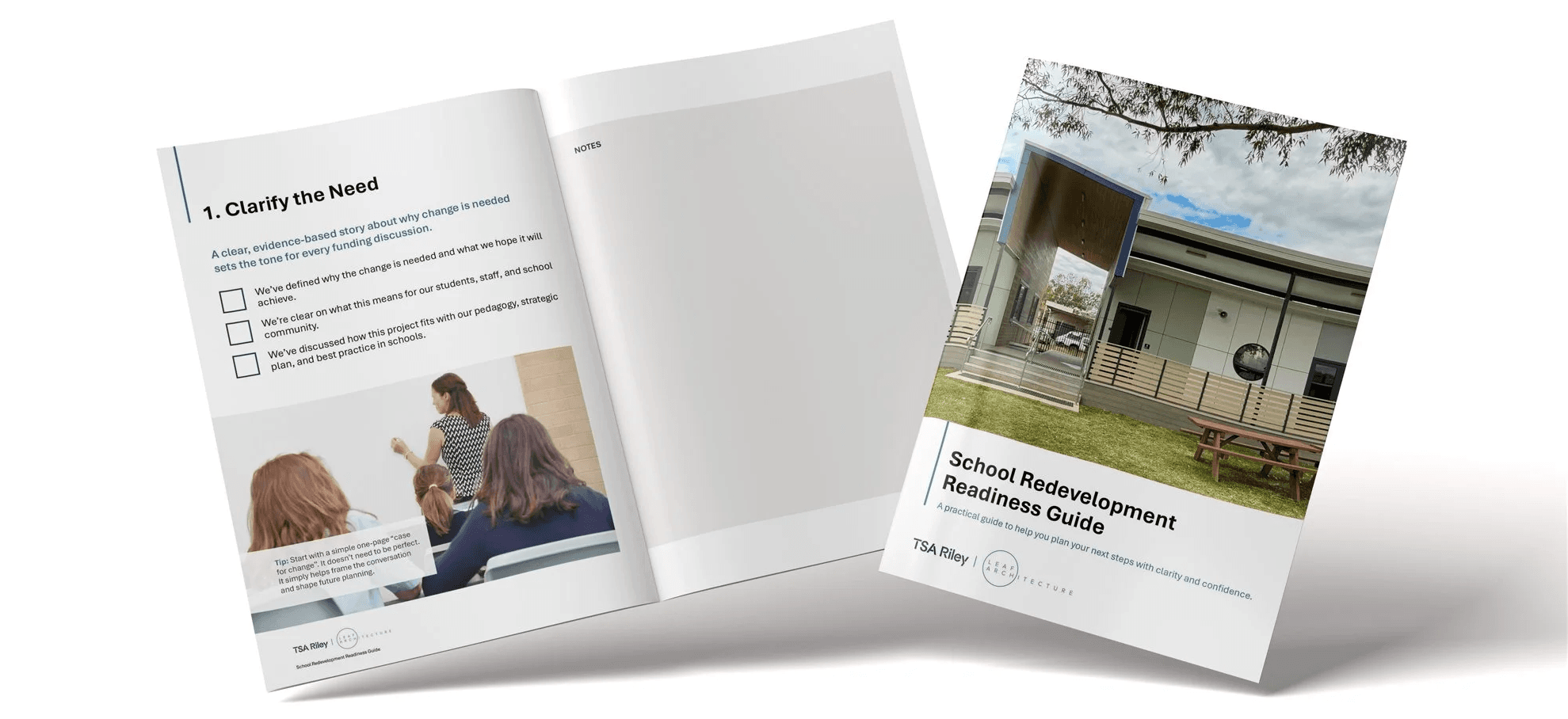
Whether you're planning a future upgrade, preparing for funding or trying to understand your growth constraints, the guide will help you identify risks early and build a clearer pathway forward.
Download the The School Redevelopment Funding Readiness Guide.

Cassandra Naccarella
National Schools Sector Lead

Emma Viljoen
Northern Rivers Lead

Daniel Smith
Managing Director, Leaf Architecture