Victoria's new data centre rules offer Australian developers a head start

Rob Campbell-Watt
Executive Consultant | Australian National Data Centres Lead (Acting) | AU
12 October 2026
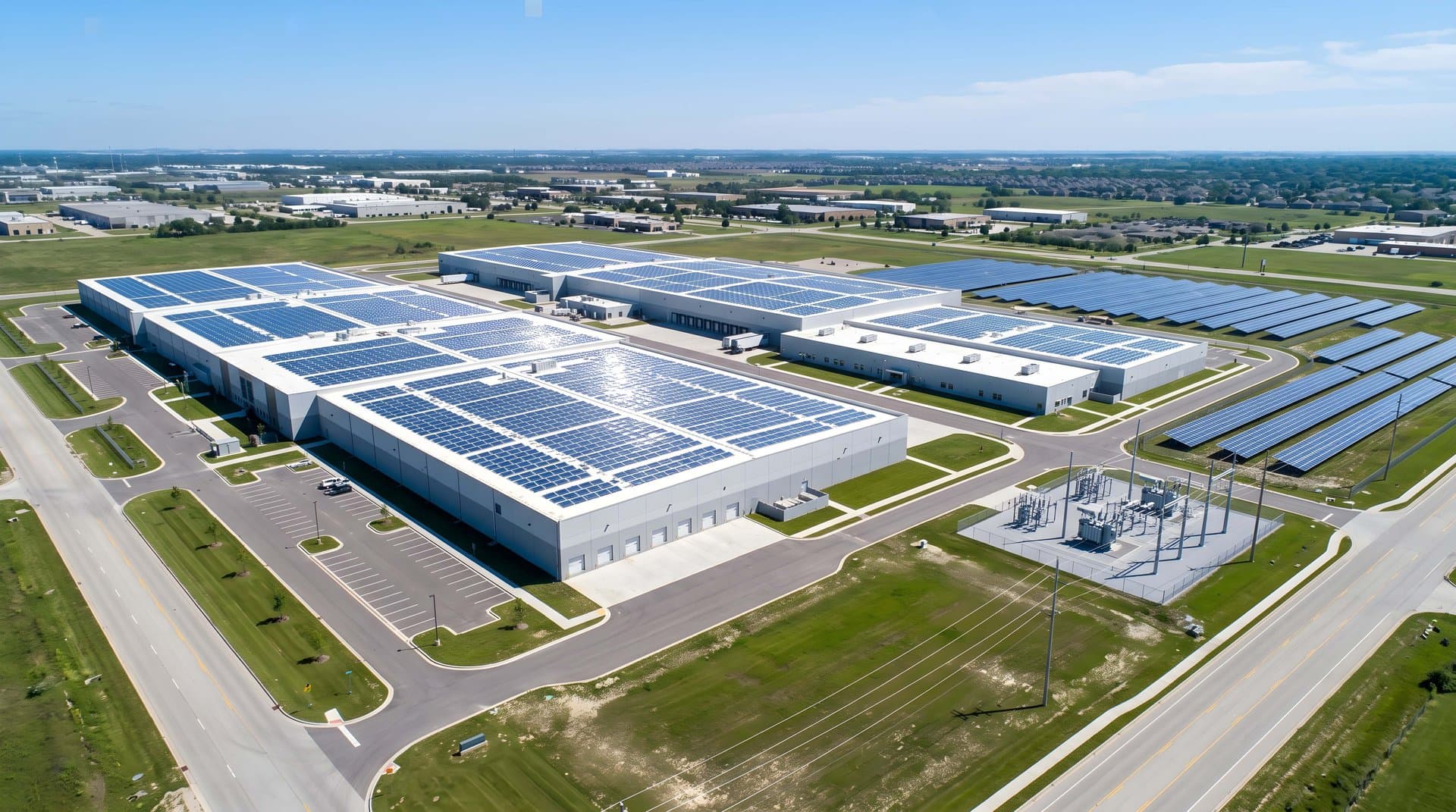
Demand for data centre capacity in Australia will more than double by 2030. If we can't meet that demand domestically, we risk handing digital capability, control and investment to overseas markets.
But the physical infrastructure behind Australia's digital future faces resistance. Community concerns about development impacts are solidifying into organised opposition – in some cases already strong enough to stop projects in their tracks.
These challenges aren't new to developers; Victoria's response is.
With the release of its Sustainable Data Centre Action Plan, the state sets out to reconcile its growing need for digital capacity with community expectations. For Victorians, it's proof their voices have been heard. For local developers, it maps a clearer route to approvals.
For developers nationally, it offers something else. Following the release of the NSW Data Centre Policy Framework in August and the Commonwealth's consultation paper on national standards in September, Victoria's plan adds further clarity about the direction of emerging requirements and gives developers a valuable head start.
Getting a read on the rules
Victoria has set out its proposed rules for data centre development. Among the key changes: a ban on building in residential zones, a 150-metre buffer from homes, a "bring your own supply" renewable energy rule, recycled or other non-drinking water for cooling, and a Local Investment Guarantee to benefit host communities.
The new rules won't apply to Victorian projects already approved or under assessment. For every new project, they will redefine what makes a data centre development viable and, in turn, where developers should focus their attention.
Start with the land. Residential zones are out. A proposed 150-metre buffer will separate data centres from homes, and facilities must also be located away from schools and childcare centres. Rural land is excluded unless it can be serviced by major power or recycled water infrastructure. Sites that once looked viable may now fail these tests, while well-located industrial land with grid capacity and recycled water will likely command a premium.
Test every prospective site against the buffer before committing more capital.
Then secure supply. Projects will need to match their demand to new renewable generation and storage, while facilities that use water-intensive cooling must use recycled or other non-drinking water. Where that water isn't yet available, they need an agreed transition and offset plan. Water supply is already under pressure: amid prolonged dry conditions, 19 proposed data centre projects are seeking around 4% of Melbourne's supply.
Confirm grid and water access before progressing with planning and design.
Cost it out. Grid connection, network upgrades and any recycled water infrastructure fall to the developer. So do potential commitments under the proposed Local Investment Guarantee, including local jobs, training and community facilities.
All of it belongs in the feasibility assessment from day one, not after the site is secured.
Engage early. Victoria plans to expand the formal data centre review process to include VicGrid, Fire Rescue Victoria, WorkSafe and urban water corporations. Communities, First Peoples and councils are expected to be consulted before and throughout approvals.
Engage early and address concerns before they lead to costly changes and delays.
The implications are significant: higher upfront costs, fewer viable sites, more complex energy and water arrangements, and greater scrutiny across planning and approvals.
But Victoria isn't simply imposing tougher requirements. In return, it's offering developers a more coordinated path from early planning through to delivery: a single government entry point for major investments, early advice to identify potential obstacles before applications are lodged, better coordination between regulators to reduce delays, greater visibility of infrastructure capacity and a mechanism to help resolve stalled approvals.
The blueprint beyond borders
Victoria's framework may be state-specific, but the pressures behind it aren't: Australia needs more data centre capacity, and developers nationwide are facing the same obstacles.
Nor is Victoria alone in responding to them. New South Wales released its Data Centre Policy Framework in August. A month later, the Commonwealth released its consultation paper on national data centre standards, followed closely by Victoria's plan.
The close timing and similarities across all 3 frameworks are telling: regulatory change is gathering pace, and governments are converging on key priorities. Despite differences in their proposed approaches, all 3 expect developers to secure additional energy supply, manage water demand sustainably, cover the infrastructure costs their projects create and deliver benefits to host communities.
Where the frameworks diverge is equally important. Victoria has confirmed its new requirements won't apply to applications already under assessment. NSW hasn't provided the same explicit assurance, while the Commonwealth is considering whether its standards should apply to projects already in development.
For Australia's data centre sector, this raises a critical question: will projects already in development be protected from future requirements?
Developers can't afford to wait for the answer. By using these frameworks now to test sites, reassess project pipelines and factor more rigorous energy, water and community requirements into investment decisions, they can get ahead of emerging regulatory demands and reduce the risk of costly redesigns and delays.
Australia is deciding where its digital capability, control and investment end up. The rules may differ across state borders, but the lessons don't. For data centre developers nationwide, that's a valuable head start.
Need help navigating what comes next?
Rob Campbell-Watt is TSA Riley's Data Centre Lead in Australia. With more than 25 years' experience across energy, infrastructure, sustainability and project delivery in Australia and the US, he leads our national team in supporting developers, owners and investors.
From early investment and development decisions through to delivery, we help clients assess project viability, navigate rising regulatory and community expectations, manage risk, and keep complex projects moving.