Transpennine Route Upgrade (TRU) - Programme Integration & EIS Strategy
Network Rail - TRU Programme
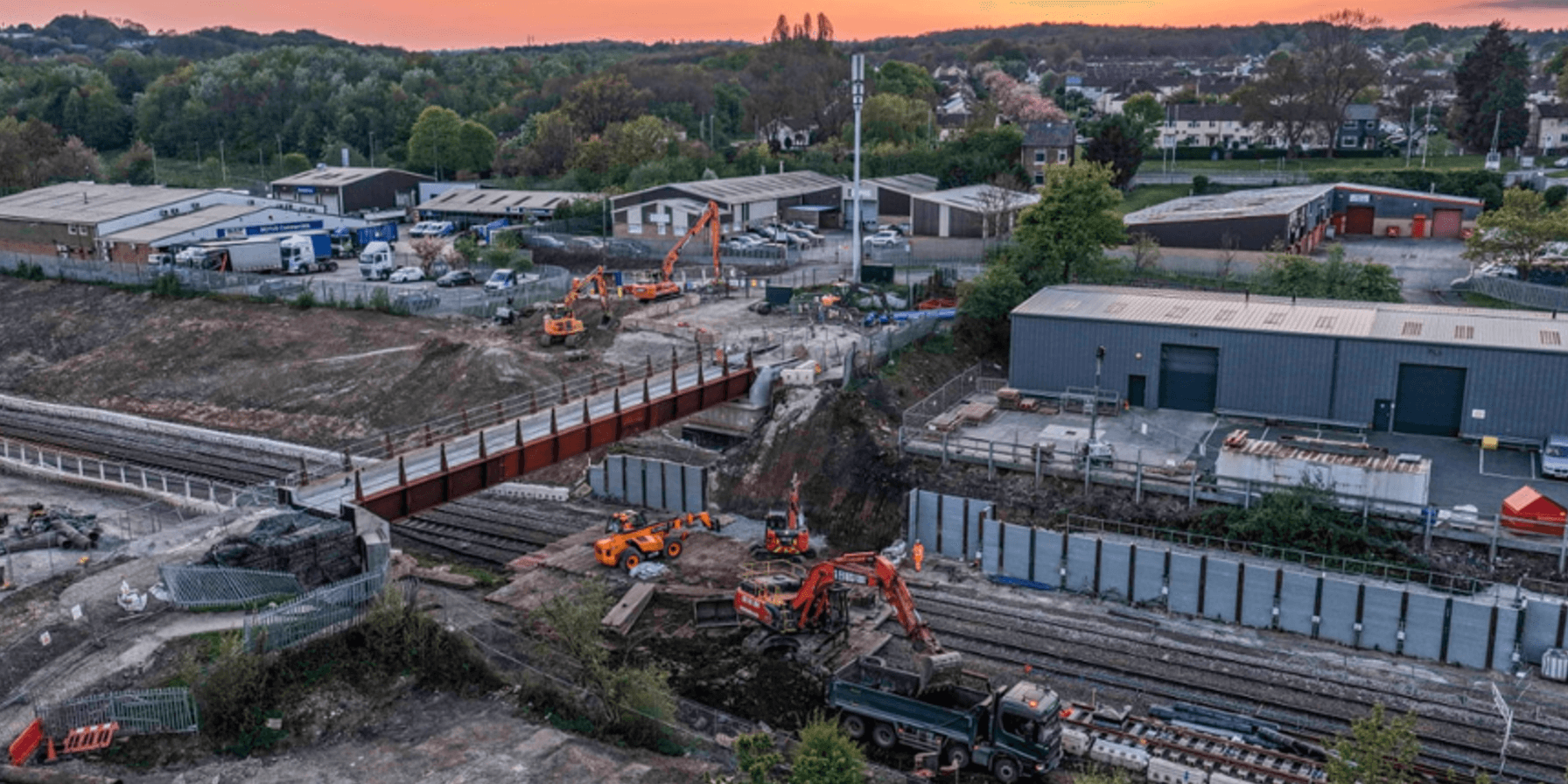
Programme Management and Controls services to support the Transpennine Route Upgrade Programme Integration & EIS Strategy.
Network Rail's Planning & Controls team was tasked with overseeing the £11bn Transpennine Route Upgrade Programme including two major alliances with critical dependencies with train and freight operators.
The programme's scale and interconnected nature presented significant challenges in coordinating delivery and aligning strategy priorities across diverse stakeholders to build a coherent plan for funding and onward delivery.
Due to both alliances and train operators developing outline design and construction methodology in isolation, at enterprise / programme level there was limited understanding of key interdependencies, interfaces, and impacts between the independent programmes managed by each alliance.
This hindered Network Rail’s ability to identify the most efficient delivery strategy and assessment of how construction enabling states affect operations and maintenance.
We were initially tasked with developing a configuration state schedule to map interdependencies between enabling works, construction, and operations.
Through extensive stakeholder engagement, requirements gathering and stakeholder validation, the team produced an Entry into Service (EIS) strategy, which became the cornerstone of the programme.
To deliver the strategy our team lead development of multi-disciplinary project staging, working with 3rd party stakeholders to agree the consents required to enable efficient construction staging of:
- Enabling works, site establishment, temporary works, earthworks removal, remediation; and
- Reuse, demolition of existing structures, and logistics planning for the movement of structural steel; and
- Modular installation.
The EIS Strategy provided a clear structured framework for understanding interdependencies across the TRU Programme’s delivery units. The Level 1 and Level 2 schedules provided by the strategy, ensuring alignment with programme objectives.
Additionally, we led critical briefings to DfT, presenting the schedules and strategy as part of the TRU business case approval process, enhancing stakeholder confidence and supporting funding approval.
This enabled Network Rail to align enabling works, construction, and operational activities effectively. The clear articulation of delivery timelines provided by EIS strategy outputs reduced the likelihood of costly revisions to the business case, mitigating the risk of financial uncertainty and ensuring the programme could proceed without delays.